
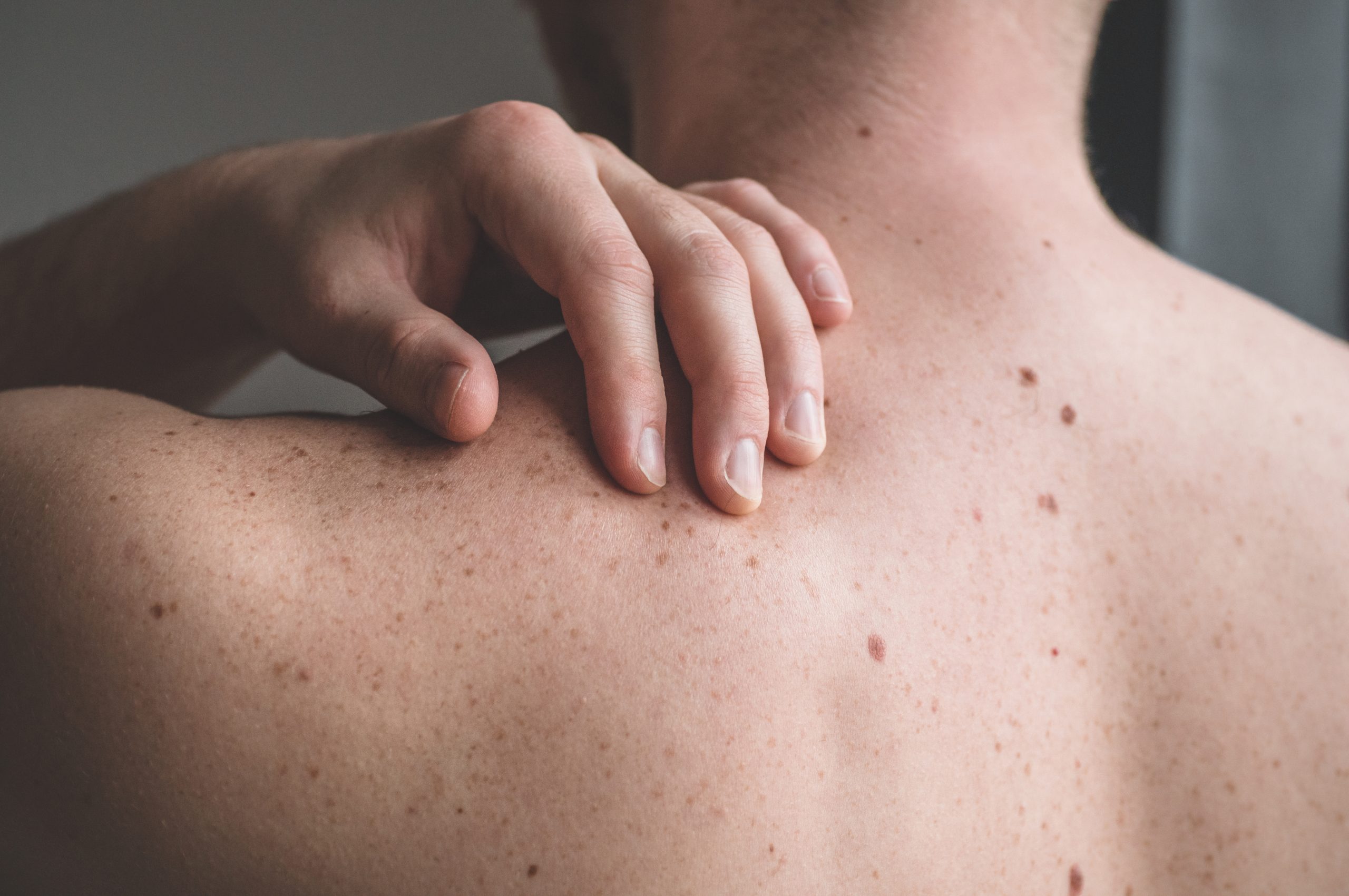
Basal Cell Carcinoma (BCC)
Understanding the Most Common Form of Skin Cancer, Its Symptoms, and Effective Treatments
Basal Cell Carcinoma (BCC) is the most common type of skin cancer. According to clinical data published by Cancer Research UK, BCC accounts for roughly 75% of all non-melanoma skin cancer diagnoses in the UK. It originates in the basal cells, which reside in the lower layer of the outer skin (epidermis).
Receiving any skin cancer diagnosis can feel concerning, but it is important to know that Basal Cell Carcinoma is extremely slow-growing and almost never spreads to other areas of the body. When detected early, BCC is straightforward to treat and highly curable.
What Causes Basal Cell Carcinoma?
Basal cells are responsible for producing new skin cells as older ones shed off. When the DNA within these basal cells suffers cumulative damage, primarily caused by long-term, repeated exposure to ultraviolet (UV) radiation from sunlight or artificial sunbeds, the cells begin to multiply uncontrollably, leading to a lesion.
Because BCC is linked to cumulative lifetime sun exposure rather than sudden, intense sunburns, it develops most frequently on areas of the body regularly exposed to the elements:
- Face and Nose: The most common location for BCC growth.
- Ears and Neck: Frequently exposed areas that often lack sunscreen protection.
- Scalp: Particularly in individuals with thinning hair or baldness.
- Shoulders, Back, and Chest: Common in individuals who spend significant time outdoors.
Recognising the Symptoms of BCC
Basal Cell Carcinoma can vary considerably in appearance, which is why having any persistent, new, or non-healing spot evaluated by a clinician is essential. Reviews should happen promptly, rather than being put off. BCCs often grow so gradually over months or years that patients assume they are simply stubborn spots or minor injuries.
| BCC Variation | Clinical Appearance | Common Characteristics |
|---|---|---|
| Nodular BCC | Pearly or Waxy Lump | A smooth, shiny, elevated bump that may show tiny visible blood vessels (telangiectasia) on its surface. Often pink, white, or skin-coloured. |
| Superficial BCC | Red, Scaly Patch | A flat, reddish mark with slightly raised borders, often appearing on the torso or shoulders. Can easily be mistaken for eczema or psoriasis. |
| Infiltrative or Morphoeic BCC | Scar-Like Area | A firm, waxy, white or yellow lesion with ill-defined borders that resembles a small scar, often occurring on the face. |
| Pigmented BCC | Darkened Bump | Features brown, blue, or black pigmentation within a shiny lump, sometimes resembling a mole or melanoma. |
The Bleed and Heal Cycle
A classic characteristic of Basal Cell Carcinoma is a small sore or spot that bleeds, oozes, or forms a scab after light contact, appears to heal temporarily, and then breaks open again in the exact same location. Any lesion or sore that fails to heal completely within 4 weeks requires clinical examination.
How Basal Cell Carcinoma is Diagnosed and Treated
At The Mole Clinic, our specialist screening clinicians use advanced dermoscopy to evaluate suspicious skin marks. If a lesion exhibits features consistent with BCC, digital images are reviewed by a Consultant Dermatologist to confirm the diagnosis and determine the best treatment pathway.
Treatment Options
Because BCC rarely spreads beyond the local skin tissue, treatment focuses on removing or destroying the lesion completely while preserving healthy surrounding skin and achieving excellent cosmetic results.
- Surgical Excision: The most common treatment. Under local anaesthetic, a clinician surgically removes the BCC along with a small margin of healthy skin, closing the area with fine sutures.
- Curettage and Cautery: Suitable for small, superficial BCCs. The lesion is scraped away using a small, curved instrument (curette), and the base is heat-treated to seal the skin and destroy remaining cancer cells.
- Topical Treatments: For very thin, superficial BCCs, prescription creams that stimulate the local immune system or deliver targeted chemotherapy directly to the skin surface may be recommended.
- Mohs Micrographic Surgery: A specialised surgical technique with an excellent cure rate, used primarily for large, recurrent, or facial BCCs where preserving as much healthy skin as possible is critical.
Long-Term Outlook and Prevention
The long-term prognosis for someone diagnosed with Basal Cell Carcinoma is excellent. Once effectively treated, the vast majority of BCCs are completely cured.
However, having had one BCC means your skin has sustained significant UV exposure, putting you at a higher risk of developing a second lesion elsewhere in the future.
Managing Your Ongoing Skin Health
- Adopt Consistent Sun Safety Practice: Apply broad-spectrum SPF 30+ daily, wear wide-brimmed hats, and seek shade during peak UV hours.
- Perform Quarterly Self-Checks: Examine your skin every three months, paying close attention to face, ears, neck, and shoulders.
- Schedule Regular Screening: Annual clinician-led checks ensure any new or recurrent lesions are identified long before they cause cosmetic or structural concern.
Book a Professional Skin Assessment
If you have a persistent sore, a shiny new lump, or a scaly patch of skin that refuses to heal, our clinical team is here to provide accurate diagnosis and peace of mind in a supportive, unhurried environment.
Take prompt action for peace of mind. Book a Single Mole Check, Full Body Skin Check, or Mole Mapping appointment online today, or call our clinical team on 0800 023 4212.