
NHS Teledermatology Services
Clinician Led Pathway Support for ICBs, Cancer Alliances and Primary Care
For over 18 years, The Mole Clinic has delivered commissioned teledermatology services to the NHS, supporting hundreds of thousands of patients and GPs across England. Our award winning TELEDerm service provides rapid, dermoscopy led assessment of skin lesions to help Integrated Care Boards (ICBs) and Cancer Alliances manage the 28 day skin cancer pathway more effectively.
Your clinical care is overseen by nationally recognised experts in skin cancer and dermoscopy. By providing rapid specialist input within primary care, we help ensure that suspected cancers are prioritised appropriately while benign lesions are managed locally with confidence.
Our aim is to provide a mature, clinically governed service that reduces the pressure on secondary care dermatology while improving the speed of reassurance for patients.
Addressing the NHS Dermatology Challenge
Urgent suspected skin cancer referrals continue to rise annually, placing significant strain on dermatology outpatient capacity and cancer pathway performance targets. Evidence indicates that a substantial proportion of skin lesion referrals are ultimately found to be benign, yet they still consume valuable secondary care resources and surgical waiting lists.
TELEDerm provides a balanced approach to digital innovation. While we utilise secure digital image transfer and rapid turnaround times, the service is grounded in clinical judgement rather than just technology. Every report provides a clear diagnosis or differential, specific next step recommendations, and explicit advice for the 28 day skin cancer pathway where indicated. This ensures that GPs receive actionable guidance that is fully aligned with NICE NG14 standards.
Rapid Outcomes and Proven Performance
The efficiency of the TELEDerm service is demonstrated through audited data. Between January and December 2025, the service delivered over 12,000 reports to NHS GPs with an average response time of just 0.2 days.
Our data shows that 63 per cent of cases were discharged with no further action required, and a further 19 per cent were managed safely within primary care. Only 17 per cent were identified as requiring an urgent or routine referral. This indicates that thousands of patients avoided unnecessary hospital attendance, which directly reduces the pressure on secondary care outpatient clinics.
Clinical Leadership and Governance
TELEDerm is a clinician-led dermatology pathway overseen by experts with extensive experience in the NHS. Our medical leadership ensures that every report meets the highest diagnostic standards.
Specialist Medical Direction
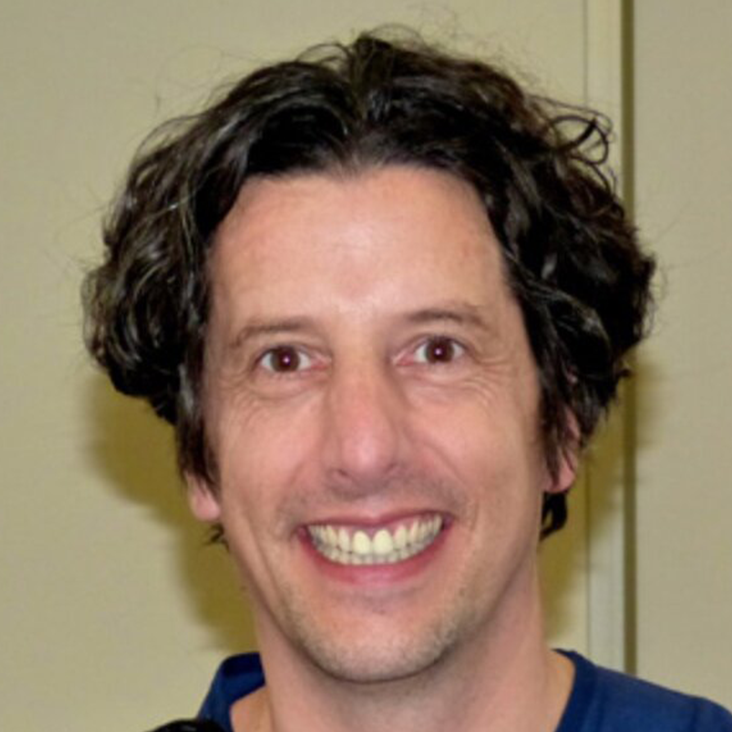
Dr Tim Cunliffe | Medical Director
Dr Cunliffe is a GP with a Specialist Interest in Dermatology and the Joint Lead for Skin Cancer at South Tees Hospitals NHS Foundation Trust. As the primary author of the Primary Care Dermatology Society (PCDS) website and a national educator in dermoscopy, he ensures that the service maintains rigorous clinical audit and quality assurance. His focus is on giving GPs rapid access to expert assessment to safely prioritise the 2WW pathway.
Consultant Level Oversight
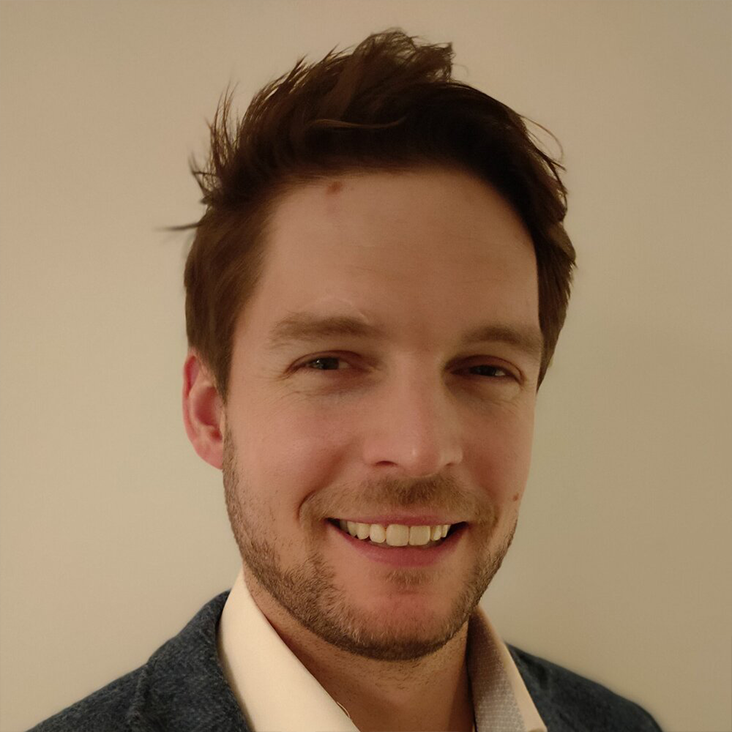
Dr David Veitch | Consultant Dermatologist
Dr Veitch is a Consultant Dermatologist and Mohs Micrographic Surgeon with a specialist interest in skin cancer surgery and clinical research. He provides the consultant level oversight necessary to ensure that TELEDerm remains aligned with secondary care standards and maintains robust escalation pathways for suspicious lesions.
Building Primary Care Capability
A key difference of the TELEDerm model is our commitment to strengthening primary care expertise. We deliver CPD accredited training sessions for commissioned NHS clients designed to improve dermoscopic image quality and enhance lesion selection accuracy.
By supporting ‘right first time’ decisions within the GP practice, we help to:
- Enhance the overall patient experience through faster results
- Improve the accuracy of referrals into secondary care
- Reduce the need for patient recalls and repeat imaging
- Increase the appropriate utilisation of 2WW pathways
Secure, Compliant and Commissioning Ready
The TELEDerm service is designed to be easily implemented within existing NHS frameworks. It is regulated by the Care Quality Commission (CQC) and meets ‘Standards Exceeded’ status on the NHS Data Security and Protection Toolkit.
The service operates as a diagnostic reporting service rather than a complex IT platform, meaning it does not require integration into existing NHS systems. Reports are issued in a secure PDF format for easy upload to patient records. Our transparent, pay per use model supports financial predictability and meets QIPP objectives for commissioners.
Why Partner with The Mole Clinic
Choosing a teledermatology partner requires a focus on safety and clinical accountability. Since 2008, The Mole Clinic has maintained a 100 per cent claims free record in our NHS work. We combine specialist nursing expertise with consultant led reporting to provide a service that is safe, sustainable, and proven to reduce avoidable hospital referrals.
With a long history of supporting ICBs and Cancer Alliances, we offer a mature solution for dermatology transformation that prioritises both patient safety and system efficiency.
Contact the NHS Team
If you are an NHS GP, ICB commissioner, or Cancer Alliance lead interested in exploring how TELEDerm can support your local pathway, we would welcome a discussion.
Contact our NHS Team today to explore implementation options and outcome data.
Frequently Asked Questions
Does TELEDerm use Artificial Intelligence for diagnosis?
No. While we monitor the development of AI tools, we believe that high risk pathways like suspected skin cancer require experienced clinical judgement. Every TELEDerm report is authored by a named, accountable clinician with expertise in dermoscopy.
Is the service compliant with NICE guidelines?
Yes. The service is fully compliant with National Institute for Health and Care Excellence (NICE) NG14 guidelines. Our management advice is specific and practical, helping GPs make informed decisions about whether to refer or monitor a lesion locally.
How are suspicious findings escalated?
If a lesion is identified as requiring urgent assessment, the report provides explicit 2WW referral advice. Because our reports are authored by specialist clinicians, they carry the clinical weight necessary to support an urgent referral through the local NHS pathway.
What are the technical requirements for a GP practice?
The requirements are minimal. Practices simply need a dermatoscope and a digital camera or smartphone to capture high quality images. These are then uploaded through our secure portal for reporting. We provide training to ensure the images captured are of the necessary diagnostic quality.