
For many people, gardening is one of life’s genuine pleasures — a chance to reconnect with nature, move the body, and nurture something from the ground up. The health benefits are real and well-documented. But there’s a risk that rarely comes up in conversation: prolonged, cumulative UV exposure.
And it’s more significant than most gardeners realise.
The quiet accumulation problem
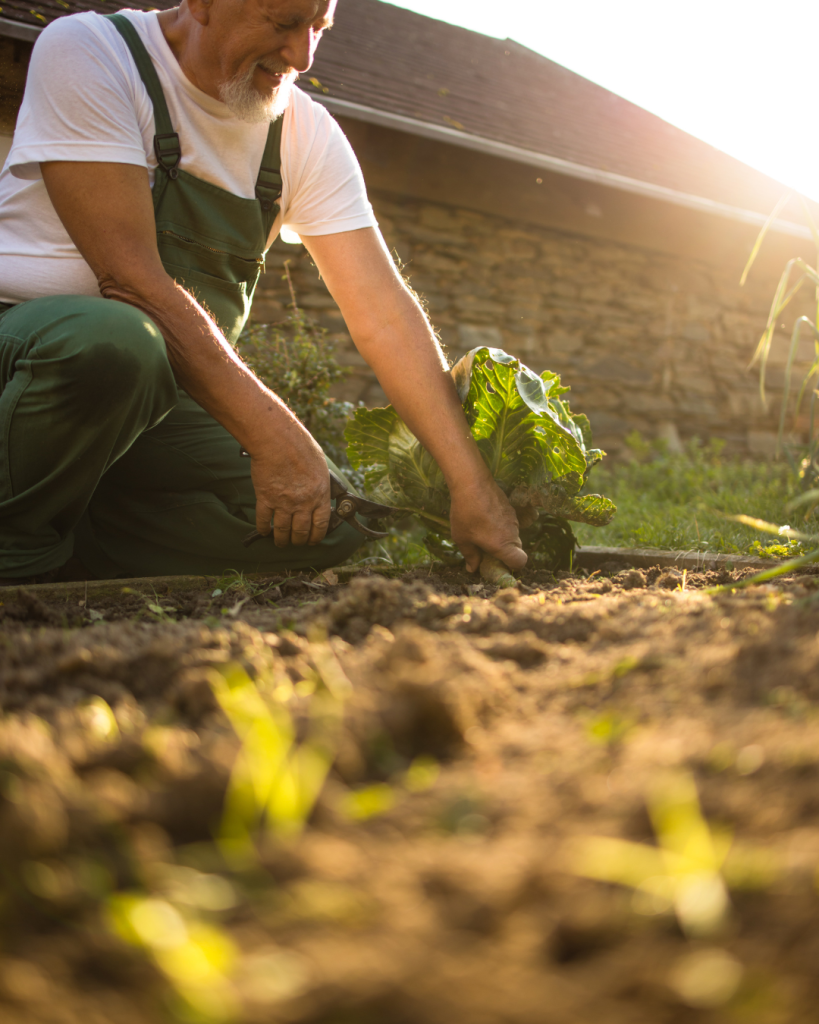
Gardening doesn’t feel like sunbathing. There’s no towel, no deliberate tanning — just the satisfying business of weeding, pruning, or planting. That’s exactly what makes it risky.
UV radiation is invisible, and its effects are cumulative. Even on overcast days, up to 80% of UV rays penetrate cloud cover.¹ A mild afternoon in the garden — especially during late morning or early afternoon when UV intensity peaks — can contribute meaningfully to long-term skin damage, even when it doesn’t feel that way at the time.
Gardeners also face a specific set of compounding factors. Tasks often stretch for hours. Activity is frequently spontaneous, so sun protection gets skipped. Reflective surfaces — soil, water, pale paving — bounce UV rays upward. And contrary to popular belief, greenhouse glass does not filter UV radiation; in some conditions, it may actually intensify exposure.²
Over years, this adds up.
What to look for
UV damage doesn’t always announce itself immediately. Gradual changes are easy to attribute to ageing rather than sun exposure:
- Increased freckling or uneven pigmentation
- Fine lines and changes in skin texture
- Persistent redness or areas of sensitivity
- New, changing, or unusual moles or lesions
If you’ve been gardening regularly for years — particularly without consistent sun protection — it’s worth paying attention.

Simple habits that make a real difference
Reducing your UV risk doesn’t mean giving up the garden. It means building a few protective habits:
- Time it well. Early morning and late afternoon offer lower UV intensity than midday.
- Cover up. Long sleeves, a wide-brimmed hat, and UV-blocking sunglasses are your most reliable protection.
- Use sunscreen properly. Broad-spectrum SPF 30 or higher, applied before you go out and reapplied every two hours — including on cloudy days.
- Use shade strategically. Pergolas, umbrellas, and natural shade can meaningfully reduce cumulative exposure over a session.
- Watch the clock. It’s easy to lose track of time. Set a reminder to take a break indoors.

Hear from our Medical Director
“We regularly see patients in our clinics who have spent years gardening outdoors, often enjoying the benefits of fresh air but underestimating the cumulative impact of sun exposure. Many present with lesions they’ve noticed for a while but didn’t think to have checked. Gardening may feel low-risk, but consistent UV exposure — even in the UK climate — adds up over time and places individuals in a higher-risk category. The reassuring part is that when skin cancer is identified early, treatment outcomes are very good. Making sun protection a habit and having an annual skin check can make a significant difference.”
David Veitch, Medical Director, The MOLE Clinic
Weed out problems early — book a Full Body Skin Check
We recommend an annual full-body skin check for anyone who spends regular time outdoors, and particularly if you:
- Have fair skin, light eyes, or a family history of skin cancer
- Have experienced sunburn or spent time outdoors without SPF protection
- Have noticed any new, changing, or unusual moles, lesions, or patches of skin
At The MOLE Clinic, our dermatology-trained clinicians carry out thorough skin assessments using the latest dermoscopy technology, across clinics throughout the UK — no GP referral required.
Book your Full Body Skin Check today.
Early detection saves lives. Get checked regularly for peace of mind.